For many women, postmenopause introduces a more persistent and often overlooked challenge: vaginal dryness.
Despite how common it is, vaginal dryness is still something many women feel hesitant to talk about or seek help for. Yet finding the right solution can make a significant difference. From everyday comfort to restoring intimacy, choosing the best lubricant for postmenopausal women is an important step in managing symptoms effectively and gently.
In this article, we explore what post menopause is, why vaginal dryness doesn’t go away and can often get worse, and - most importantly - what to look for in a lubricant.
We’ll also highlight why Sylk Original is the best lubricant for women over 60, for sensitive post-menopausal skin, and how it provides immediate relief in a safe, natural way.
What is Post Menopause?
Postmenopause is the period of time after you have not had a period for 12 consecutive months. This stage lasts for the rest of your life. Your hormone levels will remain low and you’ll no longer have a period — you can’t get pregnant because your ovaries stop releasing eggs. For most women, uncomfortable symptoms of menopause like hot flushes and night sweats will become milder or disappear altogether.
Will vaginal dryness go away after menopause?
For most women, vaginal dryness is the one symptom that doesn't disappear after the menopause. In fact, the condition is more likely to worsen due to a permanent reduction in oestrogen, as opposed to a temporary hormonal fluctuation. This is why dryness persists postmenopause when other symptoms like hot flushes and night sweats cease.
According to a report by Louise Newson in British Journal of General Practice 2016, women spend nearly one third of their lives being post-menopausal. Therefore, it is vital for our quality of life that we are able to manage this condition.Vaginal dryness can impact our self-confidence, relationships and everyday activities, but it is actually very straightforward to treat. Only a third of menopausal women seek medical help for this condition and so many suffer in silence, which is something we at Sylk are passionate about changing.
 According to Dr Nick Panay, Consultant Gynaecologist, Queen Charlotte’s & Chelsea Hospital, London and former Chairman of British Menopause Society, “Despite the considerable impact on themselves, their partner and their relationship, three quarters of women with vaginal atrophy will not seek medical help.”
What Causes Postmenopausal Vaginal Dryness?
- Lack of Oestrogen
Oestrogen keeps vaginal tissues moist, plump, elastic and lubricated. During menopause our ovaries stop producing this vital hormone. - Vaginal Atrophy (also known as Genitourinary Syndrome of Menopause)
Without oestrogen, the vagina begins to atrophy which means the walls become drier, thinner, less flexible and more fragile, which can make it vulnerable to bacterial infections. Unlike other symptoms like hot flushes and night sweats that fade, the loss of oestrogen is permanent. Therefore vaginal atrophy remains and can often get worse with delicate tissues becoming more inflamed as time goes on, if left untreated. - Changes to pH balance
The vaginal area can become more prone to irritation and recurring issues as the pH increases (becomes less acidic), which decreases the ‘good’ bacteria that protect against infection. - Fewer Glands
There are fewer glands due to lack of oestrogen, which means less moisture is produced in the cervix and vagina. - Reduced blood flow
The tissues become less flexible as lower oestrogen levels affect blood circulation to the vaginal area, which further reduces natural lubrication. - Scratch and Itching on Repeat
Thinner skin and tissue is easily irritated, leading to a cycle of itching and soreness, which causes more inflammation. This can lead to an increased risk of urinary tract infections (UTIs) as the thinning tissue affects the urethra and bladder region. - Less Sexual Activity or Arousal
Sexual activity or arousal helps maintain tissue elasticity as it increases blood flow to the vagina.
Why Sylk Original irritant-free lubricant solution is best for postmenopausal dryness.
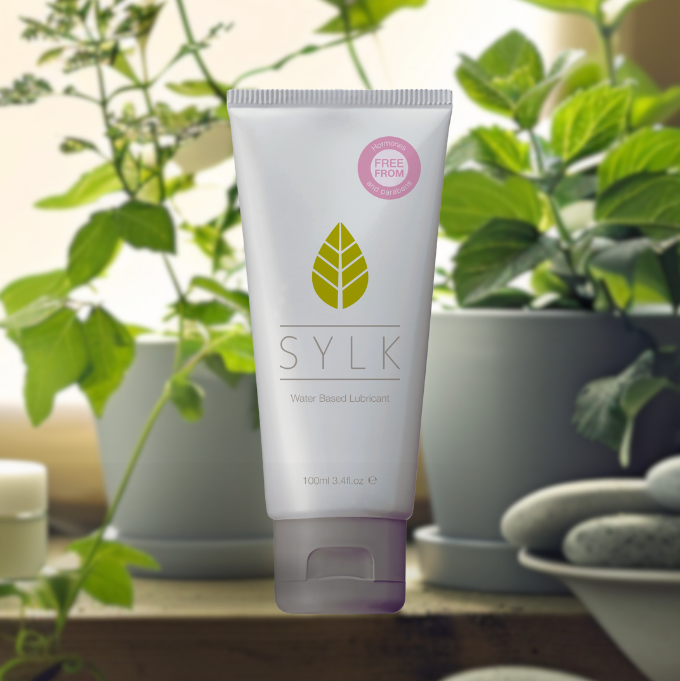
Sylk Original is a natural, water-based lubricant that provides a non-hormonal way to manage vaginal dryness. It is particularly beneficial to post menopausal women as it has been specially formulated with kind and gentle plant-based ingredients that match the pH of your vagina. It is also free from harsh chemicals, parabens and gylcerine, so you can be confident it is irritant-free. This female-friendly formula immediately relieves dryness, doesn’t dry out or leave a chalky residue that can create friction like other products and is intensely hydrating.
Kiwi plant extract supports healing and immunity while providing a silky-smooth texture
Sylk Original includes extracts of Kiwi Gum known for its healing and immune boosting properties — perfect for nourishing sensitive skin and tissues. This combined with the silky smooth glide of the lubricating gel makes it easy to apply, particularly in hard to reach areas, ideal for post menopause dryness.

Don't Suffer in Silence: Three proven ways to manage postmenopausal dryness
There are lots of things you can do to manage post menopause dryness. Whilst you cannot ‘cure’ vaginal atrophy and return to pre-menopause levels, the symptoms can be managed and improved with treatment so that you can enjoy sex and everyday activities.
- Good quality non hormonal lubricants that are recommended by health professionals like Sylk make all the difference. Sylk is pH friendly (4.4) and is made with plant based ingredients so it won’t irritate.
- Talk to your GP about local oestrogen (a topical application) which applies low dose levels of oestrogen directly to the area. There are lots of different applications and you can use them in conjunction with lubricants like Sylk
- According to nutritionist, Jackie Lynch, diet plays a big role in vaginal skin health. The drop in oestrogen reduces collagen which keeps skin plump and elastic. In this blog, Jackie recommends 4 easy food tips to help you manage vaginal dryness.
Checklist: What to Look for in the Best Lubricant for Postmenopausal Women
- Plant based ingredients
- pH-balanced
- Irritant-free — Avoid glycerine, anything that promises tingling, warming or includes glitter.
- Water-based — Can be used with condoms and sex toys.
- Non drying, non sticky and odourless
Why try SYLK?
Our range of plant based lubricants are water based, pH friendly and support sensitive tissues. The female friendly formula is intensely hydrating and relieves dryness immediately. Sylk has been sold in the UK for over 30 years and is recommended by health professionals world-wide.
I love Sylk! A true 5 Stars!! It’s been an absolute Godsend post menopause! No stickiness! Just natural. Helped dramatically with Vaginal Dryness.
Kim (verified owner) – 28th May 2025
For about 4 years I suffered with painful vaginal dryness following early menopause. I’ve tried everything – literally. Sylk is AMAZING. So soothing, especially externally. I’m even having good sex again! And I love that it’s completely natural. I carry it with me!
Meg (verified owner) –