In this article, we’ll explore what happens to a woman’s body as she approaches the menopause and beyond, and why hormonal changes can lead to vaginal dryness and discomfort.
We’ll look at the symptoms of menopause dryness, how it can affect your comfort, relationships, intimacy and everyday life and what you can do to find relief.
We’ll also explain why choosing the right lubricant is so important during and after menopause.
Women want a natural lubricant for menopause dryness that feels gentle, soothing and comfortable to use every day, knowing that it is safe and supports vaginal health.
Don't underestimate how the discomfort of vaginal dryness before and after menopause can erode your happiness, wellbeing and quality of life.
Thankfully, for most women it can be straightforward to treat and manage.

"Water and plant based, pH friendly lubricants like Sylk are very important for helping women manage GSM symptoms and as they are hormone free can be used with or without HRT & alongside vaginal oestrogen."
Kathy Abernethy
MClinSci RN, BMS Menopause Specialist,
Coombe Menopause Clinic
Your guide to choosing the right lubricant for menopause dryness:
- What is menopause?
- What are the symptoms of menopause?
- When does menopause occur?
- How common is vaginal dryness after menopause?
- Who needs a lubricant for menopause?
- Why does menopause dryness happen?
- What are the symptoms of vaginal dryness like?
- What is the best lubricant for menopause dryness?
- What do our customers say about how Sylk feels?
- How can you get immediate relief from female dryness?
What is the menopause?
Menopause literally means the last period. A woman is diagnosed as being ‘menopausal’ when her last menstrual period was one year ago.
Once our ovaries stop producing eggs, the menopause occurs and the levels of hormones called oestrogen and progesterone fall, which affects many parts of our bodies including our skin, heart, bones and vagina.
It's important to know that the levels of female hormones can start to fluctuate and fall as early as late 30s and, more commonly, from mid 40s onwards, and this change can often be for some a long and meandering process. Therefore, the years before menopause is called peri-menopause. This is when women may experience a variety of changes that impact their menstrual cycle, mood, sleep and memory, their metabolism and where they carry weight and other symptoms like hot flashes, night sweats and brain fog. (We go into this in more depth in our article, "What's happening to me? The symptoms of peri-menopause".)
What are the symptoms of the menopause?
Menopausal symptoms vary between women. Some will only experience them for a few months whilst others can continue to suffer for many years even after their last period. Whilst symptoms like hot flashes, mood swings and night sweats are well known, others like brain fog and vaginal dryness are less so. For more information, Kathy Abernathy, Menopause Specialist, discusses the key symptoms in our blog here: Managing Midlife, Menopause and Beyond.
There are many treatments that will help control symptoms, like HRT or other natural alternatives, not discounting diet, exercise and lifestyle, which your GP can discuss with you.
When does the menopause occur?
Menopause usually occurs between the ages of 45-55. The average age of the menopause in the UK is 51 years old, and if you are black or asian it is 47-48. This can also be earlier for some women, particularly if you started menstruating at a young age. And at the other end of the scale, some women still have periods into their 60s.
If the menopause occurs before the age of 40 it is classed as Premature Ovarian Insufficiency (POI). Some women may experience an ‘early’ menopause due to having cancer treatment (radiotherapy) or hysterectomy. Dani Binnington experienced this firsthand when she entered premature surgical menopause at 40 following treatment for breast cancer, which she was diagnosed with at 33. Read Dani's account of what cancer taught her, and visit her website for further information and support.
Perimenopause symptoms can occur whilst you are still having periods from your mid 40's but sometimes they can start even earlier. This is due to fluctuating hormones as you transition to the menopause. Periods may be heavier or lighter than previous. It can be hard to recognise that you are going through perimenopause so tracking symptoms can help identify patterns and inform a diagnosis to discuss with your GP. The free Balance app offers symptom tracking tools, expert information, and personalised insights, making it easier to understand what is happening.
The time in your life after the menopause is referred to as post-menopause. Most symptoms like hot flashes and palpitations will disappear, but vaginal dryness is one condition that won’t go away. Read more about why in our article: "What is the best lubricant for post-menopausal women?".
Glossary
Pre-Menopausethe time in your life before any symptoms occur
Peri-menopausethe time leading up to the menopause when hormone production starts to fluctuate and fall and you may start to experience symptoms
Post-menopauseStage of life that begins 12 months after your last period. Whilst many symptoms like hot flashes will stop, female dryness may persist
How common is vaginal dryness after menopause?
Vaginal dryness is one of the most common but least talked about symptoms of menopause and postmenopausal life. In fact, up to 80% of the UK’s 13 million peri- and postmenopausal women experience vaginal dryness. However, only a third will seek medical help. That’s where safe, natural solutions like Sylk come in. If you're experiencing vaginal dryness, why not try Sylk for yourself? Request a free sample and experience the benefits for yourself before committing to a full-size product.
Who needs a lubricant for menopause?
- 13 million women in the UK are currently peri- or postmenopausal (80% of those will suffer vaginal dryness yet only a third will seek medical help)
- Women recovering from cancer treatments or hysterectomy
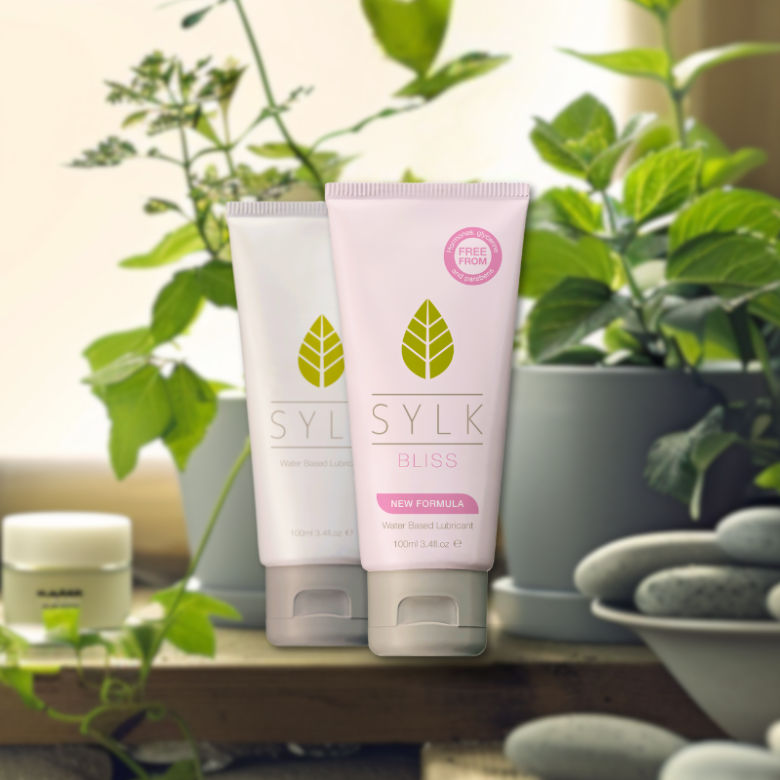
- Sylk is designed for any woman seeking a personal, natural lubricant to combat the effects of declining oestrogen
Why does menopause dryness happen?
The hormone oestrogen affects many parts of our body including the vagina. It acts as a natural lubricant and helps keep the vagina moist and comfortable. As levels of oestrogen fall, as we transition through the menopause, the tissues around the vagina can become thinner, dryer and inflamed. It can take months or years for these symptoms to develop and the severity will vary between women.
Love-making is often when many women first notice vaginal discomfort, as the lack of oestrogen may cause the vagina to shrink a little and expand less easily during sex. These changes may make intercourse after menopause uncomfortable—causing many women to avoid intimacy altogether.
Every day activities can also be affected by vaginal dryness. So, even though vaginal dryness may seem to be a minor physical problem, it can negatively impact our daily lives, our emotions and our relationships, which is why women so often say that Sylk is a godsend for them and such a relief to find.
Sylk is recommended by:
- GPs
- Nurses
- Gynaecologists
- Physiotherapisis
- Nutrionists
- Menopause specialists
- The UK Menopause Nurse Group
- The British Menopause Society
- Newson Health
What are the symptoms of vaginal dryness?
You may think that it’s self explanatory that vaginal dryness would just feel like that, dry. But imagine if you had dry eyes, actually you would be bothered by itching, scratchiness, soreness or even minor tears and bleeding.
In a similar way, with vaginal dryness the symptoms that you are likely to experience can include:
- Feeling itchy and sore in and around your vagina as you go about your day
- Feeling discomfort or pain during sex
- You may experience frequent urinary tract infections as a side effect of dryness.
- And if you don’t treat the early signs of vaginal dryness, and the skin of your vagina becomes very thin, you may experience tiny tears and bleeding. Please always see your GP if you experience any bleeding between periods or after menopause.
That’s why it’s so important to use a lubricant or vaginal moisturiser early, as soon as you start experiencing symptoms of vaginal dryness in perimenopause or after menopause. We also recommend that you visit your GP as well, as you may benefit from additional treatments, such as HRT or oestrogen cream.

"Lubricants like Sylk are really important for women experiencing menopausal dryness. Over the years of our partnership, The Latte Lounge has been extremely grateful for the long-term support offered by Sylk, who have sponsored our podcasts, The Midlife Festival, and numerous live events. I have been consistently impressed by Sylk's dedication to providing education and high-quality, trusted solutions for women experiencing vaginal dryness."
Katie Taylor, Author, Podcaster, Consultant and Founder of the Latte Lounge and The Midlife Festival
What is the best lubricant for menopause dryness?
If you’re wondering, “What is the best lubricant for menopause?” — the answer lies in choosing a natural, hormone-free, paraben-free and glycerin-free product that’s safe, effective, and recommended by experts.
It's also really important to choose a vaginal lube that has a pH level which matches the naturally acidic environment of the vagina, usually between 3.8 and 4.5. This inhibits the growth of harmful bacteria and yeast, helps prevent infection and keep your vagina healthy.
Sylk is widely recommended by health professionals as it is regarded as one of the best lubricants for menopause and post-menopausal dryness. Its pH level support the health of the vagina; it's water-based, so does not leave any oily residue and feels very natural, and it does not have an odour. Being water-based also means it's safe to use with condoms.
For women searching for natural lubricants for menopause, Sylk's gentle, naturally derived formula is designed to soothe and hydrate delicate tissues without hormones or harsh ingredients. It’s also an excellent natural lubricant for menopause dryness when women want immediate comfort during intimacy and everyday life. Try Sylk for free here.
What do our customers say about how Sylk feels?
"As someone who went through the menopause at a young age, vaginal dryness is something I have battled with for a long time and trying to find natural, comfortable lubricants has been a challenge!" - Verified Customer
"Sylk Bliss has such a lovely texture and a little goes a long way. It made sex more comfortable and is very moisturising, it’s been a real treat to use" - Kerry
“My husband and I have tried many lubricants since my GP diagnosed menopause, with little success, and both agree Sylk is an absolutely wonderful product!" - Verified Customer
"No odour, non-greasy and no need to re-apply. It feels natural, like silk, no irritation or discomfort." - Verified Customer
"I am so relieved to have finally found a lubricant that has taken away the pain of being intimate and I now have a very happy husband.” - Vikki
How can you get immediate relief from female dryness?
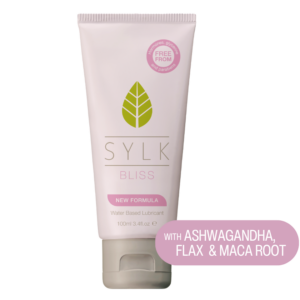
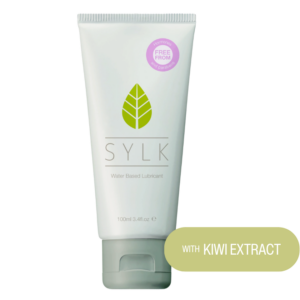
Using Sylk provides immediate relief from vaginal dryness whilst also nourishing and hydrating delicate tissues. Sylk's plant-based ingredients create a unique silky texture which mimics your body’s natural lubrication. It gently and effectively provides silky smooth lubrication that makes love-making or just the everyday more comfortable.
Whether you're seeking the safest lubricant for sensitive skin, or the best female lubricant to restore comfort and intimacy, Sylk delivers silky smooth relief that feels natural and gentle.
Get 10% off your first order, when you sign up to our newsletter.
Quite simply there’s nothing like Sylk for effective and naturally gentle lubrication
- Gentle, safe relief from menopause dryness
- Free from hormones and parabens
- Can be used in conjunction with HRT and topical oestrogen cream